

Regular Maintenance Contracts Plumbing Services in Puyallup, WA
Puyallup Regular Maintenance Contracts Pros ready now in Pierce County
Regular Maintenance Contracts provide ongoing plumbing support through scheduled inspections, system tune-ups, and minor repairs, ensuring peak performance and early detection of potential issues. These contracts offer convenience, cost savings, and peace of mind for residential and commercial clients by minimizing emergency repair needs and extending system life
We provide top notch Plumbing services throughout Pierce County. Whether you need help with Regular Maintenance Contracts or other issues, our Pros is ready.

Plumbing Services in Puyallup, WA
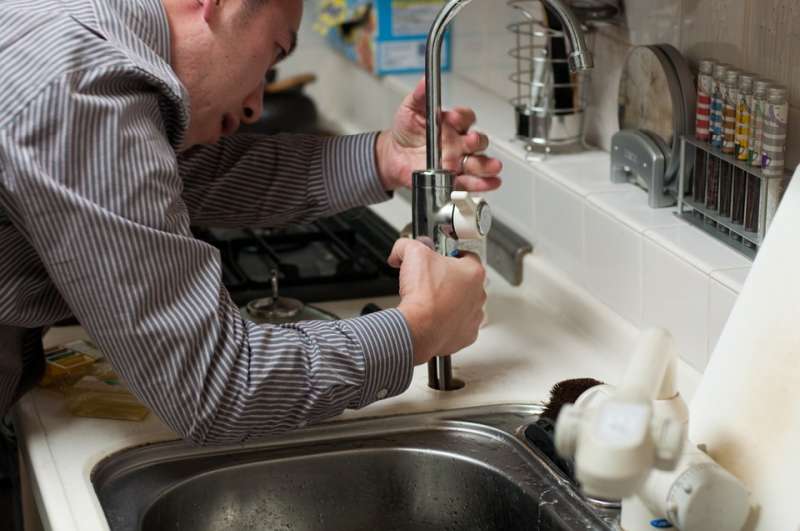
Setting up dishwashing machines, water heaters (tank and tankless), waste disposal unit, and washing machines.
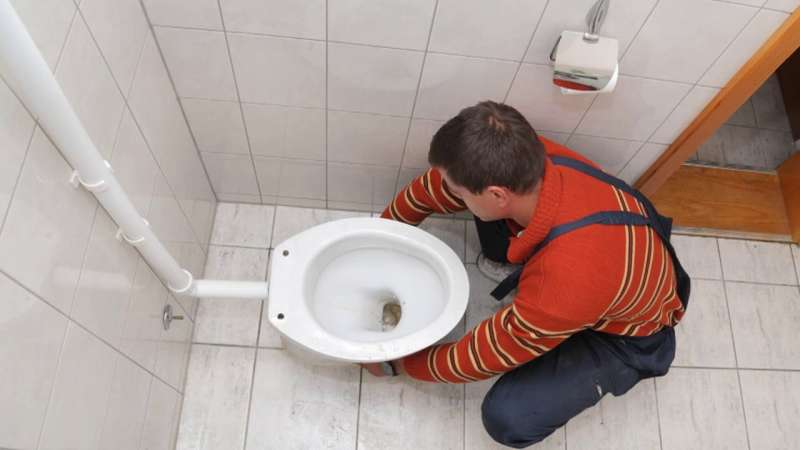
Making sure backflow prevention gadgets are working properly.
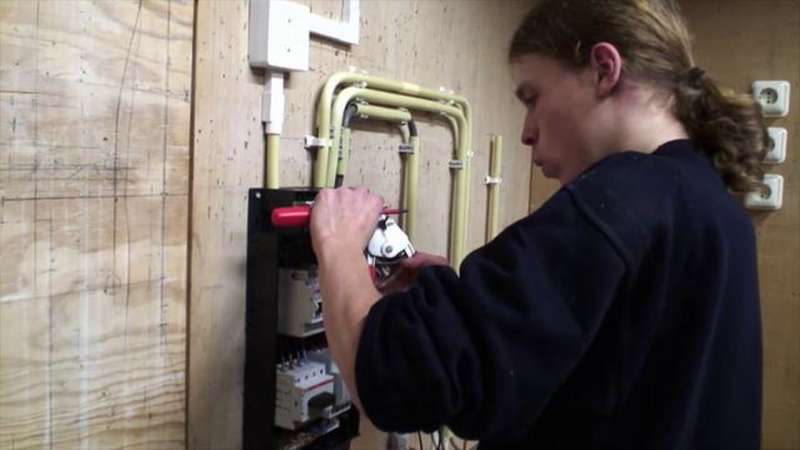
Moving or updating plumbing systems.
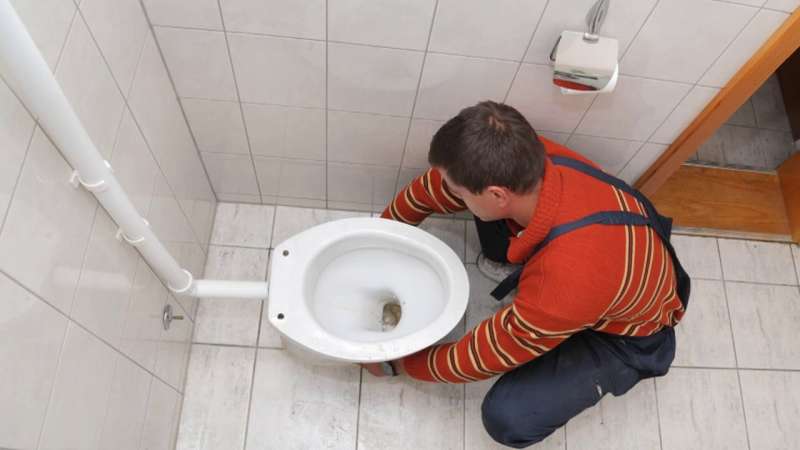
Ensuring plumbing systems satisfy local guidelines.
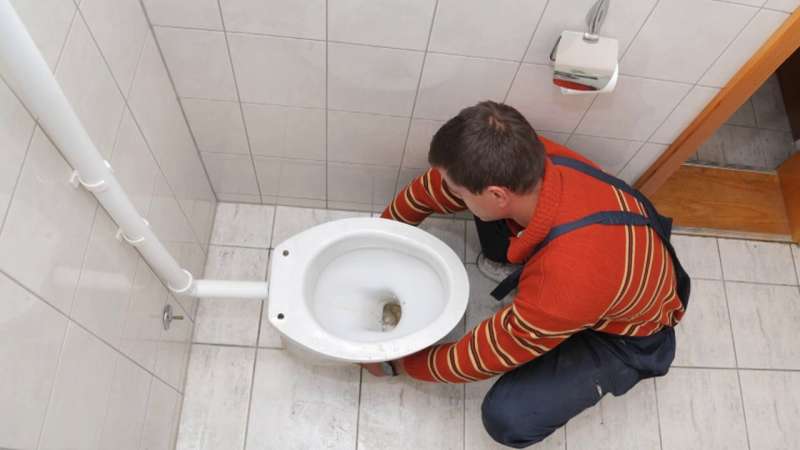
Immediate reaction to prevent flooding and water damage.

Clearing clogs in sinks, toilets, showers, and sewage system lines.
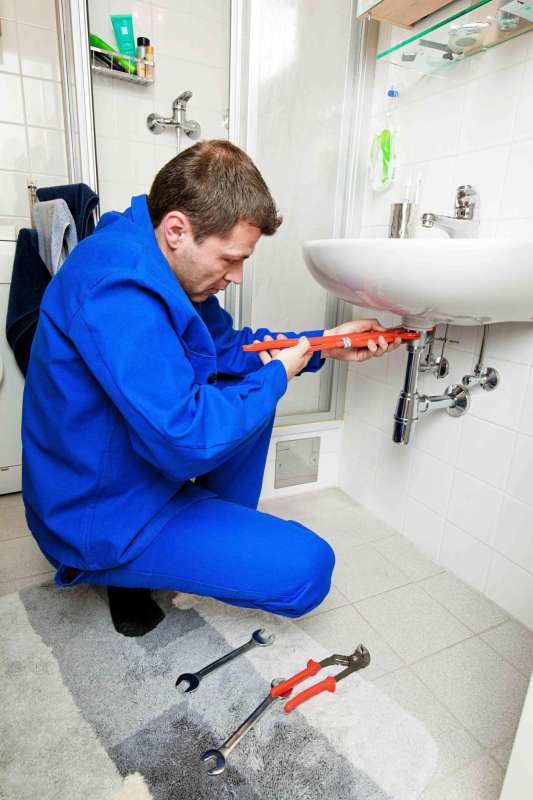
Regular cleansing to prevent blockages and keep circulation.
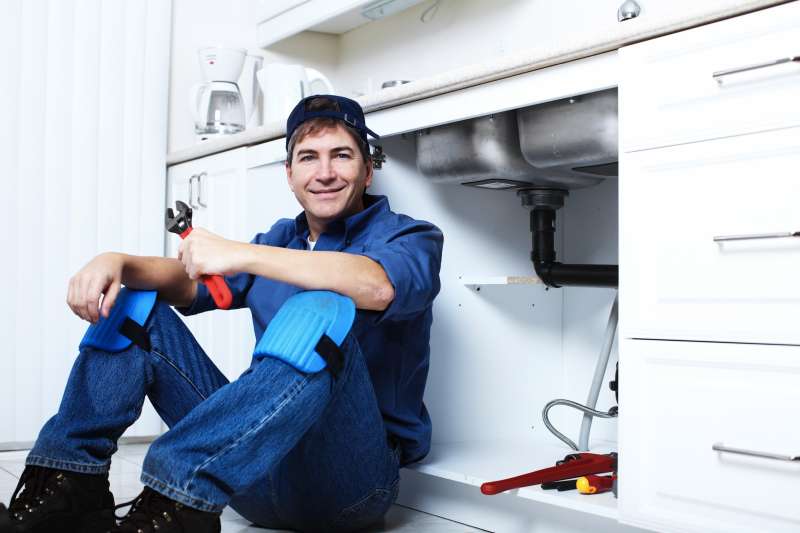
Repairing malfunctioning faucets, toilets, and other fixtures.
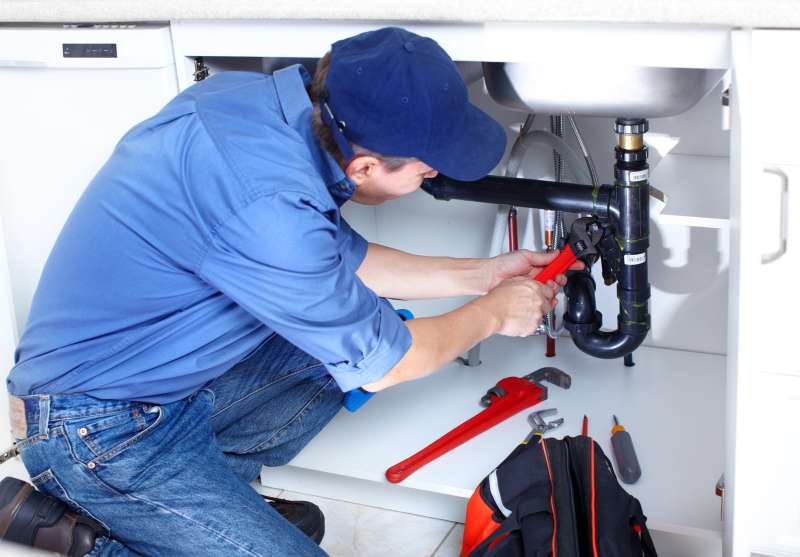
Installation of sinks, faucets, toilets, bathtubs, and showers.

Emergency detection and repair work to prevent threats.
Repairing gas leakages and making sure correct gas line functioning.
Setting up systems for recycling household wastewater.
Installing and preserving radiant floor heater.
Specialized piping for factories or industrial settings.
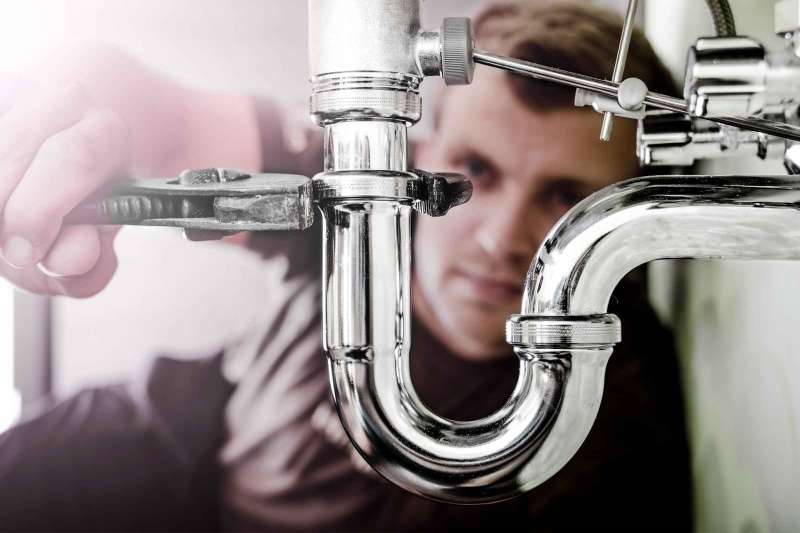
Installing and maintaining outdoor irrigation.
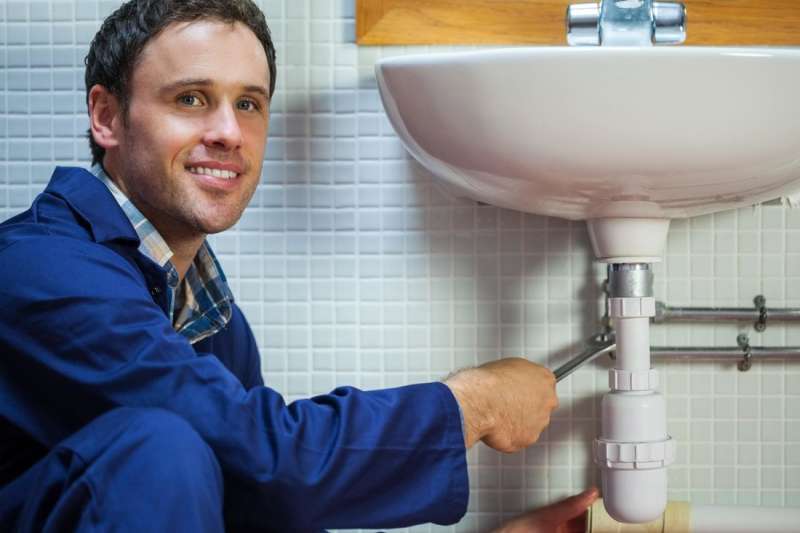
Plumbing systems for brand-new structures or restorations.
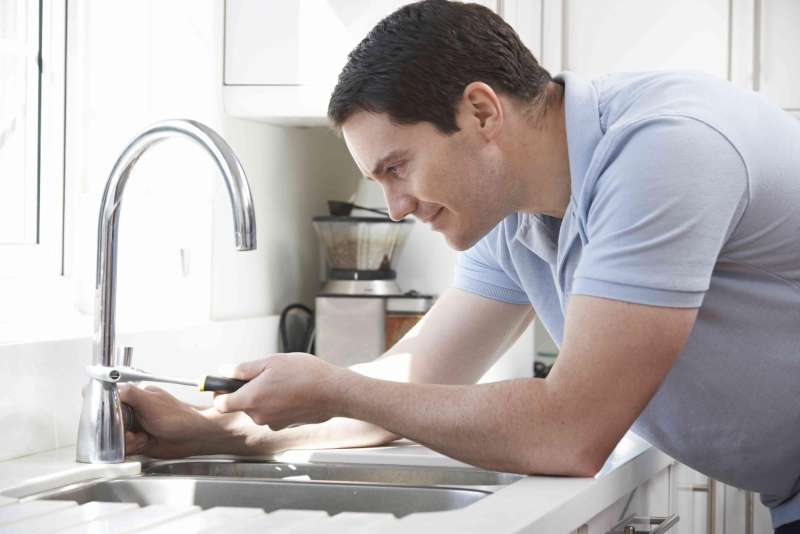
Fixing leaks in pipelines, faucets, toilets, and home appliances.
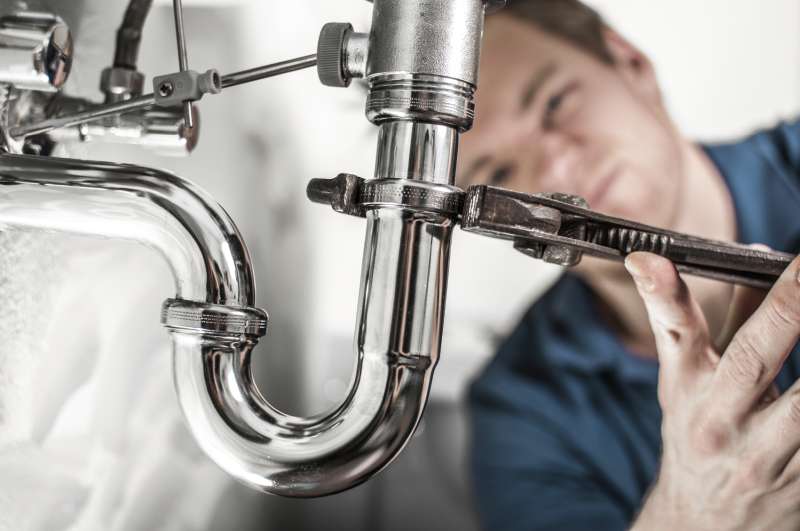
Quick resolution of serious blockages and overflows.
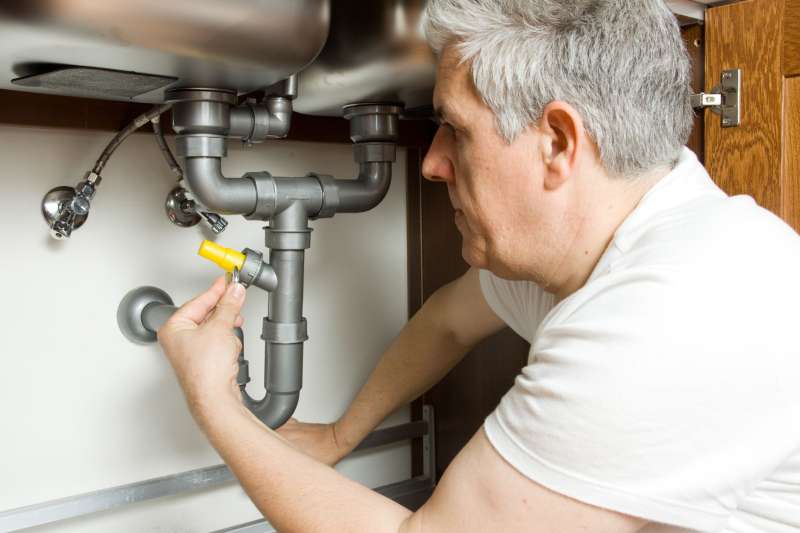
Using cameras to examine pipes for damage or obstructions.
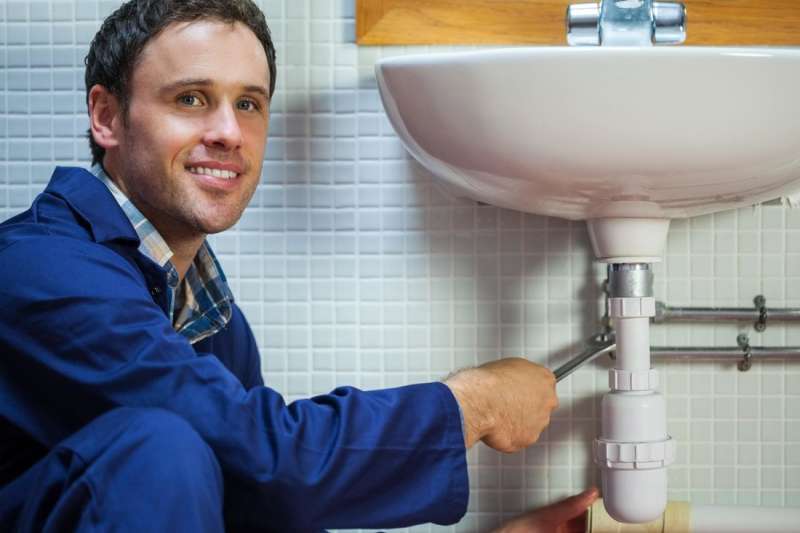
Fixing or changing burst, corroded, or harmed pipelines.
Setting up brand-new piping systems for water, gas, and drainage.
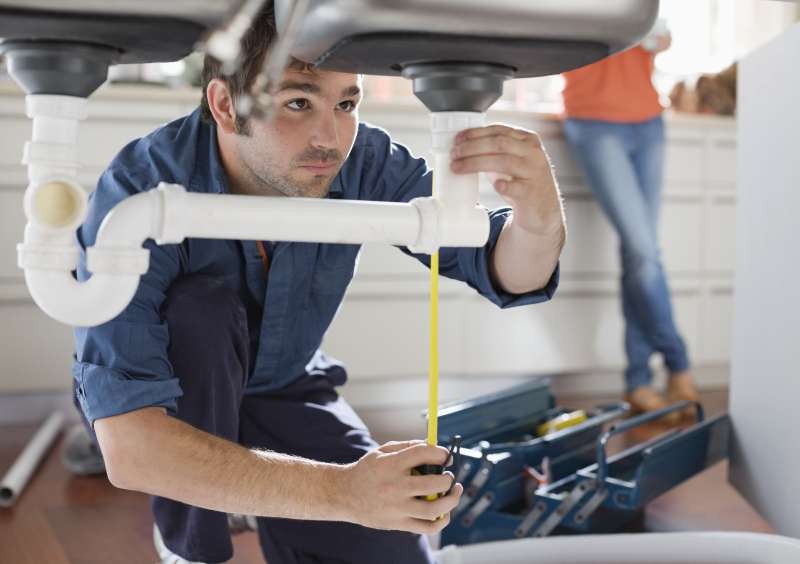
Evaluating plumbing systems before purchasing residential or commercial property.

Installing systems to gather and use rainwater.
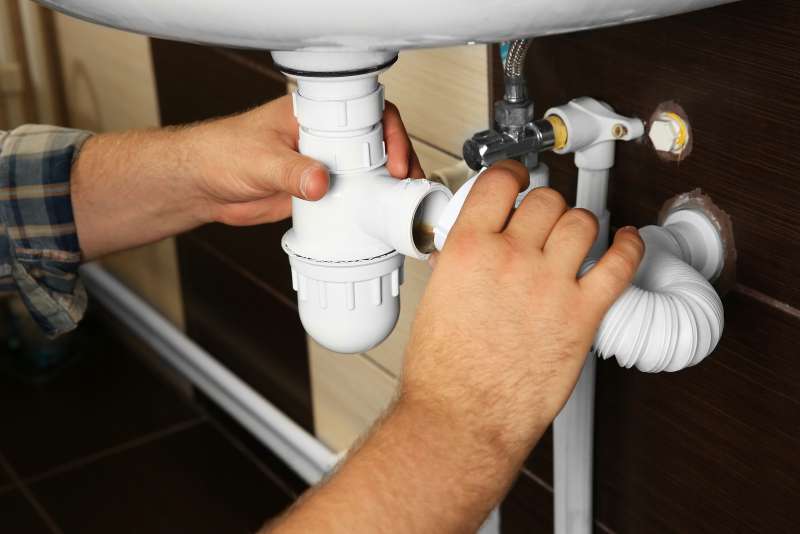
Continuous upkeep services for organizations.
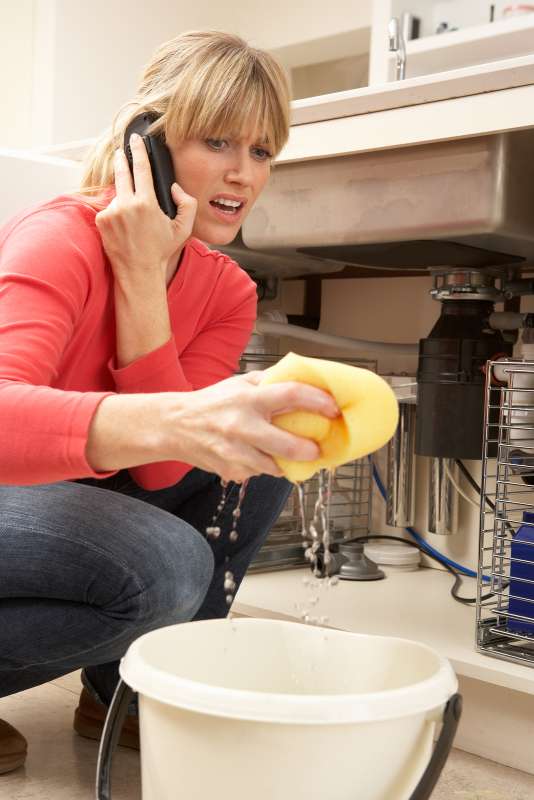
Putting up, repairing, and keeping septic systems.
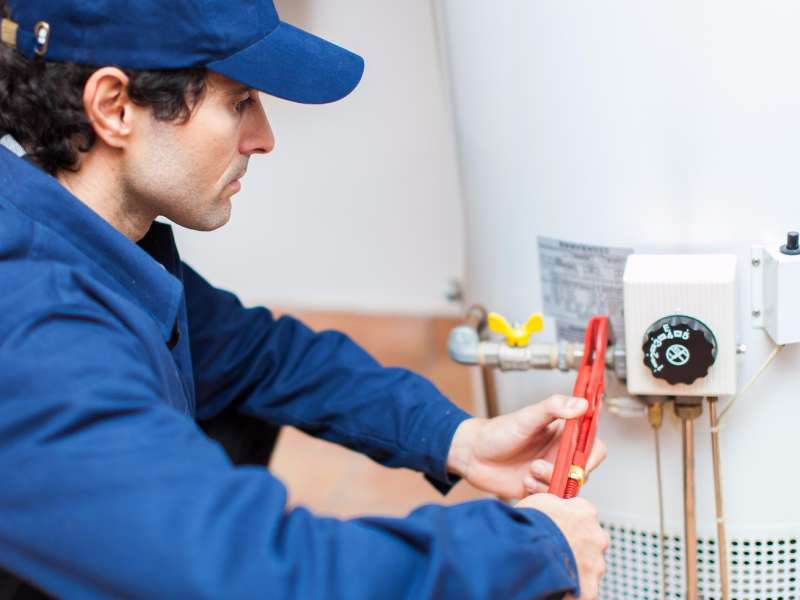
Handling groundwater in basements.
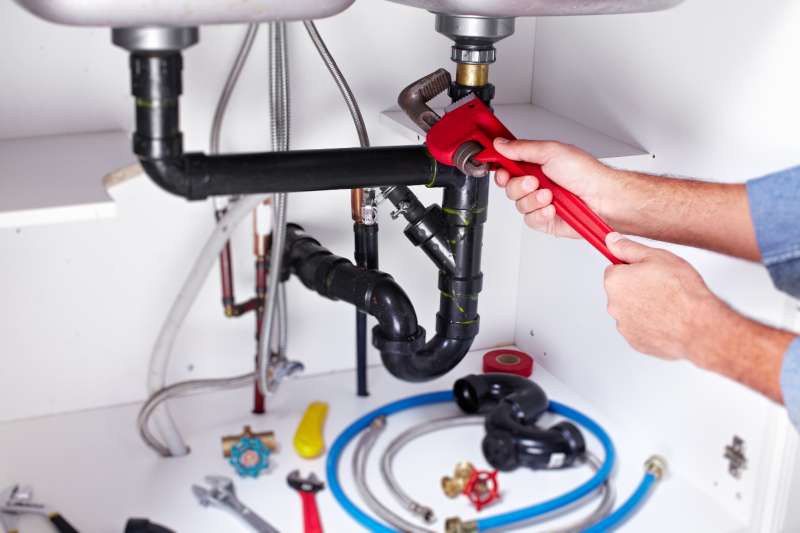
Setting up water-efficient or contemporary components.
Advising on water-saving methods and products.
Installing water softeners and filtration systems.
Flushing and checking hot water heater to lengthen lifespan.

Addressing problems with temperature, leakages, or failure to heat water.
Safeguarding basements or other areas from water intrusion.
Immediate attention to prevent contamination and health dangers.